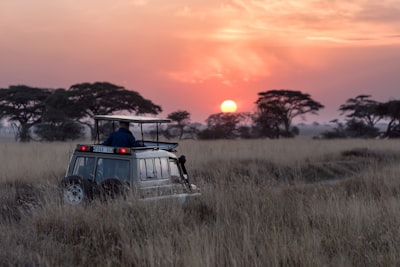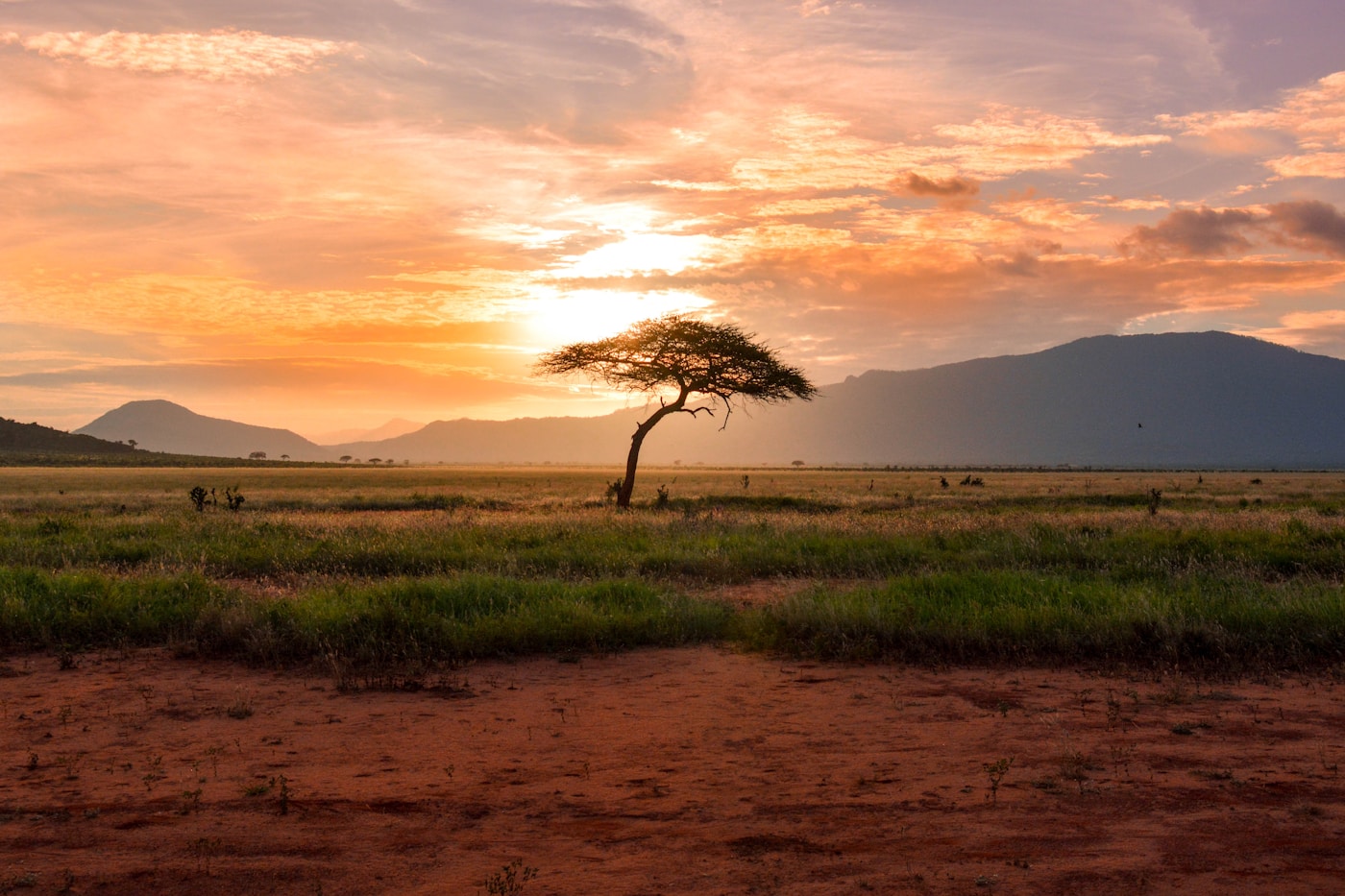
There are places on earth that change you. Places that reach past your eyes and into something deeper. The Maasai Mara is one of them. Kenya's most celebrated wildlife reserve sits in the southwestern corner of the country, rolling endlessly across 1,510 square kilometres of golden savannah — and for most of the world, it is the defining image of Africa itself.
We have taken thousands of international visitors to the Mara over the past decade. First-timers, repeat visitors, photographers, honeymooners, families and solo travelers. Every single one of them has left changed. This guide contains everything we tell our clients — the honest, unfiltered information you need to plan your Maasai Mara safari properly.
Location: Narok County, southwestern Kenya · Size: 1,510 km² · Drive from Nairobi: 5–6 hours · Flying time from Nairobi: 45 minutes · Best for: Big Five, Great Migration, big cats · Peak season: July – October · Budget packages from: Ksh 50,000/person
What Makes the Maasai Mara Special?
Ask any wildlife expert to name Africa's greatest concentration of predators and the answer will be the Maasai Mara. Lions. Leopards. Cheetahs. Hyenas. Wild dogs. All thriving in a single ecosystem. The open savannah means you can actually see them — unlike denser forests where you might be metres from a leopard and never know it.
But it's not just about predators. The Mara is home to enormous elephant herds, massive buffalo herds, giraffes moving in their slow-motion dance across the horizon, hippos filling every waterhole, crocodiles patrolling the Mara River, and bird species that would make an ornithologist weep with joy.
And then there's the Migration.
"Nothing prepares you for the sound of the Migration. You hear it before you see it — a deep rumbling that you feel in your chest. Then the horizon moves. And you realise the horizon isn't moving. It's alive."
The Great Migration — Nature's Greatest Spectacle
Every year, over 1.5 million wildebeest — along with 200,000 zebra and 350,000 gazelle — make a circular journey across the Serengeti-Mara ecosystem in search of fresh grass and water. This movement, driven purely by survival instinct, is the largest overland migration of mammals on earth.
The most dramatic moment is the Mara River crossing. The wildebeest must cross the crocodile-filled Mara River multiple times during their journey. They stand at the banks for hours — sometimes days — working up the collective courage to leap. When they finally go, the river erupts. Crocodiles surge from every direction. Wildebeest pile on top of each other. Some make it. Some don't. It is raw, primal, and utterly unforgettable.
When Do the River Crossings Happen?
The honest answer is that nobody can predict exactly when a crossing will happen — not even the most experienced guides. The wildebeest respond to instinct, weather and grass availability. However, the crossing season generally follows this pattern:
| Period | What's Happening | Crossing Probability |
|---|---|---|
| July – August | Main herds arrive in the Mara from Serengeti | High — multiple crossings weekly |
| September – October | Peak crossing season, herds at maximum | Very High — best time to witness |
| November | Herds begin returning south to Serengeti | Moderate — still possible |
| December – June | Herds in Serengeti, calving season | Very Low — not crossing season |
Book at least 3 nights in the Mara during crossing season. Crossing opportunities are unpredictable — some groups wait 2 days and see nothing, others arrive and witness a crossing within the first hour. The longer you stay, the higher your chances. Our guides monitor the herds daily and position vehicles strategically.
Wildlife Beyond the Migration
Here's what most people don't realise: the Maasai Mara is extraordinary year-round. The Migration is the headline act, but the Mara's resident wildlife is so dense that even in the "off-season" (January to June), most visitors see more wildlife in a single morning game drive than they'd see in a week at other African reserves.
- Lions: The Mara has the highest density of lions on earth. Multiple prides, many with cubs, are encountered almost daily.
- Leopards: Notoriously elusive elsewhere, the Mara's open landscape makes leopard sightings far more common than anywhere else in Kenya.
- Cheetahs: The open plains are perfect cheetah habitat. The famous Tano Bora coalition of five male cheetahs has been resident here for years.
- Elephants: Large herds move through the Mara year-round, often seen at close range from vehicles.
- Hippos: Every stretch of the Mara River is crowded with hippos. They are viewed safely from vehicles and from elevated riverbanks.
- Big Five: All five — lion, leopard, elephant, buffalo and rhino — can be seen in the Mara. Rhinos are rarer but present in the Mara Triangle.
Best Time to Visit — Month by Month
| Month | Weather | Wildlife | Crowds | Our Rating |
|---|---|---|---|---|
| Jan – Feb | Warm, dry | Excellent — resident wildlife, calving in Serengeti | Low | ⭐⭐⭐⭐ |
| Mar – May | Long rains | Good — lush green, fewer vehicles | Very Low | ⭐⭐⭐ |
| Jun | Cool, dry | Excellent — herds building up | Moderate | ⭐⭐⭐⭐ |
| Jul – Aug | Cool, dry | Outstanding — Migration peak begins | High | ⭐⭐⭐⭐⭐ |
| Sep – Oct | Warm, dry | Peak season — crossings frequent | Very High | ⭐⭐⭐⭐⭐ |
| Nov | Short rains | Very Good — herds departing | Low | ⭐⭐⭐⭐ |
| December | Warm, dry | Excellent resident wildlife | Moderate | ⭐⭐⭐⭐ |
How to Get to the Maasai Mara
Option 1: Drive from Nairobi (Most Popular)
The road journey from Nairobi takes approximately 5–6 hours depending on your specific camp location. The route passes through Narok town and the Mara Triangle gate. This option is most popular for budget and mid-range travellers and allows you to take in the stunning Rift Valley views en route. All Granelle Adventures packages include private transport in 4x4 safari vehicles.
Option 2: Fly from Nairobi (Most Comfortable)
Multiple domestic airlines operate daily scheduled flights from Wilson Airport in Nairobi to the Mara's several airstrips (Keekorok, Ol Kiombo, Mara North). The flight takes approximately 45 minutes and costs between $150–$300 per person return. This is the preferred option for luxury packages and those with limited time. We arrange all domestic flight bookings for our clients.
Where to Stay — Accommodation Options
The type of accommodation you choose dramatically affects your experience. Here's our honest guide to the main options:
- Budget camps (Ksh 5,000–15,000/night): Basic but comfortable tented accommodation, usually outside the reserve boundary. Great for the experience without the luxury price tag.
- Mid-range tented camps (Ksh 15,000–35,000/night): The sweet spot. Authentic bush atmosphere with proper beds, en-suite bathrooms, excellent food and great guiding. These are our most popular packages.
- Luxury lodges & camps ($300–$800/night): World-class properties with infinity pools, gourmet cuisine, private game vehicles and exclusive conservancy access. Some of the best safari lodges in Africa are in the Mara.
For first-timers, we recommend a mid-range tented camp inside or adjacent to a conservancy. The authentic bush experience — hearing lions at night, waking to bird calls, sitting around a campfire — is the real Maasai Mara. You don't need to spend a fortune to feel it.
How Much Does a Maasai Mara Safari Cost?
Here's our transparent breakdown for a 3-day Maasai Mara safari departing Nairobi:
| Package Tier | Price/Person | What's Included |
|---|---|---|
| Budget | Ksh 50,000 (~$380) | Transport, budget camp, meals, game drives, park fees |
| Mid-Range | Ksh 75,000–120,000 | Transport, mid-range tented camp, all meals, multiple game drives, park fees, sundowner |
| Luxury | Ksh 180,000+ (~$1,400+) | All of above + private vehicle, luxury lodge, conservancy fees, bush dinner |
All our packages are all-inclusive — no hidden park fees, no surprise costs. What we quote is what you pay.
Essential Tips from Our Guides
- Book early for peak season. July–October is the most in-demand period globally. Quality camps fill up 6–12 months in advance. Don't wait.
- Minimum 3 nights. Two nights gives you 2 game drives. Three nights gives you 4–5 drives, dramatically increasing your wildlife encounter opportunities.
- Rise early. The golden hour after sunrise (6–8am) is when predators are most active and the light is best for photography. Never skip an early morning drive.
- Dress in layers. Mornings can be very cold (10–15°C in June–August). Afternoons warm up significantly. Neutral colours — khaki, olive, beige — are best.
- Respect the wildlife. Stay in the vehicle during drives. Never feed animals. Your guide will maintain safe distances. These rules protect you and the animals.
- Bring a good camera lens. Wildlife is often encountered at some distance. A 300mm+ telephoto lens will dramatically improve your photographs.
- Consider a conservancy. The Mara conservancies (Olare Motorogi, Naboisho, Ol Kinyei) have fewer vehicles and exclusive access, often delivering superior experiences to the main reserve.
Ready to Visit the Maasai Mara?
The Maasai Mara is not just a safari destination. It is one of the few places left on earth where you can witness nature operating entirely on its own terms — without walls, without fences, without compromise. It is humbling, overwhelming and deeply moving.
Our team at Granelle Adventures has been introducing international visitors to the Maasai Mara for over a decade. We know the best guides, the best camp positions during Migration season, and how to maximise every hour you spend in the reserve. Let us plan your trip — it's free to enquire and we respond within 2 hours.
Ready to Experience the Maasai Mara?
Get a free, personalised Maasai Mara itinerary from our local experts within 2 hours.
Plan My Maasai Mara Safari💬 Or WhatsApp us: +254 741 535 795